Renters Insurance in and around Washington
Your renters insurance search is over, Washington
Renters insurance can help protect your belongings

Would you like to create a personalized renters quote?
Helping Protect What You Own In Your Rental Home
Think about all the stuff you own, from your bed to clothing to sports equipment to tools. It adds up! These valuables could need protection too. For renters insurance with State Farm, you've come to the right place.
Your renters insurance search is over, Washington
Renters insurance can help protect your belongings

Open The Door To Renters Insurance With State Farm
Renting a home is the right decision for a lot of people, and so is protecting your belongings with insurance. In general, your landlord's insurance could cover the cost of damage to the structure of your rented home, but that doesn't cover the things you own. Renters insurance helps shield your personal possessions in case of the unexpected.
More renters choose State Farm® for their renters insurance over any other insurer. Washington renters, are you ready to discuss your coverage options? Reach out to State Farm Agent Corey North today to see what State Farm can do for you.
Have More Questions About Renters Insurance?
Call Corey at (309) 694-6285 or visit our FAQ page.
Simple Insights®
How to be a good neighbor
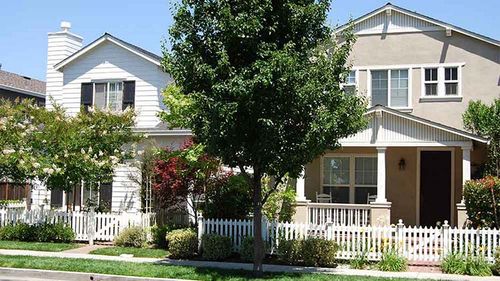
How to be a good neighbor
What's OK to share — and what might lead to neighbor disagreements? Read on for ideas to avoid property line disputes, build bonds and maintain community.
Understanding wind mitigation and its benefits
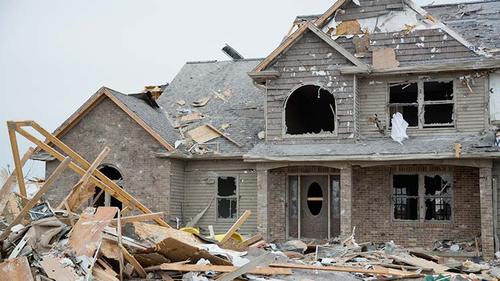
Understanding wind mitigation and its benefits
Learn about wind mitigation, possible benefits and discounts on your home insurance.

Would you like to create a personalized renters quote?
Simple Insights®
How to be a good neighbor
How to be a good neighbor
What's OK to share — and what might lead to neighbor disagreements? Read on for ideas to avoid property line disputes, build bonds and maintain community.
Understanding wind mitigation and its benefits
Understanding wind mitigation and its benefits
Learn about wind mitigation, possible benefits and discounts on your home insurance.